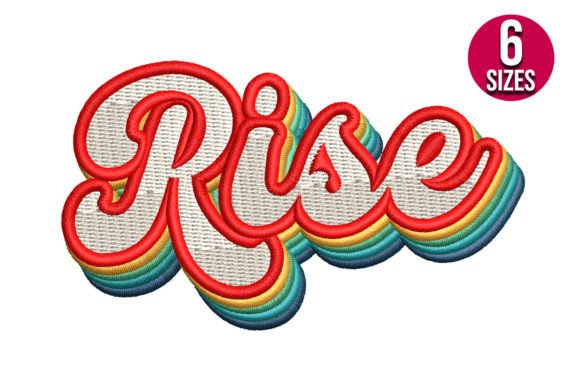
Rise Retro Embroidery Design
As an embroidery designer with years of experience in custom apparel and boutique branding, I always look for machine embroidery designs that offer both visual appeal and practicality. The Rise Retro embroidery design from Creative Fabrica caught my attention for its versatility and potential to elevate a range of projects—from sweatshirts to tote bags and beyond. In this review, I’ll walk through how it performs on different fabrics, what to consider when using it, and why it could be a valuable addition to your creative toolkit.
The First Impression: Visual Personality and Detail Level
Rise Retro has a nostalgic yet modern feel. Its clean lines and subtle retro flair make it suitable for both casual and slightly more refined looks. The design features a balance of detail and simplicity, making it ideal for small-scale embroidery without appearing cluttered. It carries a sense of decorative strength that can stand out on neutral or pastel backgrounds while still feeling cohesive on darker garments.
From a stitching perspective, the design seems to have a moderate stitch density, which is great for most fabric types. However, it’s important to check the file details for specific information on hoop size and stitch count before proceeding. For now, based on the product description, it appears to be well-suited for standard embroidery machines and common apparel applications.
Apparel Applications: Where Rise Retro Shines
Rise Retro works exceptionally well on sweatshirt embroidery, especially on the chest area where it can serve as a focal point. On a neutral sweatshirt, it adds a touch of personality without overwhelming the garment. When placed on a pastel hoodie, it brings a soft, vintage-inspired vibe that aligns with current trends in boutique fashion.
On oversized garments, the design maintains its integrity and doesn’t get lost in the fabric. It also translates well to sleeve accents, back designs, and t-shirt embroidery. For denim jackets, it offers a stylish contrast against the rugged texture of the material. Tote bags are another strong application—its size and shape allow it to be centered or positioned creatively for maximum impact.
For handmade products and Etsy listings, Rise Retro provides a professional look that can enhance the perceived value of your offerings. Whether you’re creating printable mockups or social media graphics, the design offers a consistent aesthetic that supports brand identity and customer engagement.
Practical Considerations: What to Watch For
When using Rise Retro, keep in mind the fabric type and placement. On stretchy fabrics like fleece or ribbed materials, proper stabilizer choice is essential to prevent distortion. Dense stitch areas may require additional support to avoid puckering or uneven stitching.
For dark garments, ensure there’s enough thread color contrast to make the design visible. Tiny lettering or intricate details might not hold up well on curved surfaces or areas prone to stretching. Always test the design on scrap fabric before committing to a full production run.
Check the hoop size required for the embroidery file. If it’s too large for your machine, you may need to adjust the design or use a different placement strategy. Also, confirm the licensing terms for commercial use, as this will affect how you can sell finished products.
How Rise Retro Can Elevate Your Brand
As a boutique brand or small shop product creator, Rise Retro can help establish a unique visual identity. Its retro style can resonate with customers looking for vintage-inspired aesthetics, while its clean lines and adaptability make it suitable for a wide audience. This design can increase buyer trust by offering a polished, professional finish to your custom apparel and lifestyle products.
For Etsy sellers and digital sellers, the design’s versatility means you can apply it to multiple items, from hoodies to framed artwork, expanding your product range without needing to purchase multiple files. It also supports visual consistency across your brand, reinforcing recognition and customer loyalty.
Embroidery Designer Notes: Best Practices
Before using Rise Retro on your next project, here are a few key steps to follow:
- Test the design on scrap fabric to assess how it looks and behaves.
- Choose the right stabilizer for your fabric type to maintain quality.
- Review thread color contrast, especially for dark or patterned garments.
- Confirm the hoop size needed for your machine.
- Inspect the stitch density to ensure it matches your project requirements.
- Compare placement options to find the best fit for your garment.
- Double-check Creative Fabrica product details and licensing before selling finished apparel.
By following these steps, you can maximize the potential of Rise Retro and ensure it meets your standards for quality and creativity.
Final Thoughts: A Versatile Choice for Creative Entrepreneurs
Rise Retro is a solid option for embroidery shops, small clothing brands, and creative entrepreneurs looking to add a retro-inspired design to their collections. Its adaptability across various items and fabrics makes it a valuable addition to any Creative Fabrica embroidery library. While it’s important to verify specific technical details, the design itself shows promise for both personal and commercial use.
If you’re planning a new sweatshirt or hoodie collection, or simply looking for a reliable embroidery file for your boutique merchandise, Rise Retro is worth considering. It offers a blend of style, functionality, and potential that can support your creative goals and business growth.